

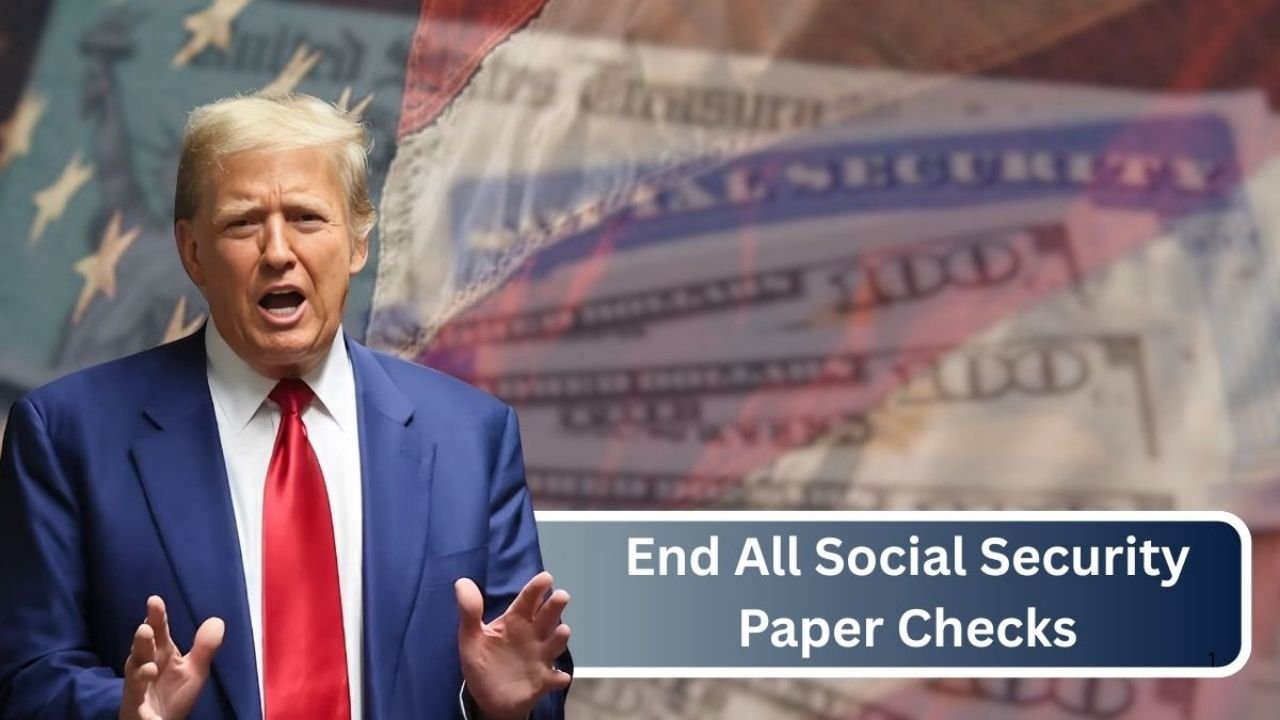
For weeks, millions of Americans were left unsettled by strong government messaging suggesting that Social Security paper checks were nearing their absolute end. Officials used firm language, described deadlines as “final,” and urged recipients to transition quickly to electronic payment methods such as direct deposit or prepaid debit cards.
For many beneficiaries, particularly seniors and individuals with limited access to banking services, the message triggered anxiety and confusion. Now, with little public attention, the government appears to be softening its position. Rather than enforcing an immediate cutoff, agencies are taking a quieter, more flexible approach that allows paper checks to continue for those who truly depend on them.

This shift has raised important questions about the future of Social Security payments, the pace of modernization, and what recipients should realistically expect in the months and years ahead.
Government Softens Its Position on Paper Checks
Earlier communications gave the impression that paper checks would soon disappear entirely. Many recipients feared that failing to switch to electronic payments could interrupt their monthly income. Recent updates, however, show a noticeable change in tone.
Instead of firm deadlines, officials are now acknowledging that paper checks will remain available for individuals who cannot easily transition. This includes seniors without bank accounts, people with disabilities, and residents of areas where banking access is limited. While electronic payments are still encouraged, there is no longer an aggressive push suggesting immediate penalties for staying with paper checks.

Notably, this adjustment did not come with a major press announcement. As a result, uncertainty remains, and many recipients are still unsure which messages reflect current policy.
Why the Original Plan Faced Strong Resistance
The push to end paper checks encountered significant backlash because it overlooked the realities of how millions of Americans manage their finances. While digital banking is common, it is not universal. Some beneficiaries distrust online systems, others lack reliable internet access, and many older adults find new financial tools overwhelming.
Advocacy groups, senior organizations, and lawmakers quickly raised concerns. They warned that forcing a rapid transition could lead to missed payments, increased vulnerability to scams, and unnecessary financial stress. For individuals living on fixed incomes, even a short disruption can have serious consequences.

Ultimately, the government appears to have recognized that speed and efficiency cannot come at the expense of access and stability.
What This Means for Social Security Recipients
For now, recipients who rely on paper checks do not need to panic. Payments are continuing, and there is no immediate requirement to switch to electronic methods. The current approach reflects a more cautious and inclusive strategy.
That said, the broader goal of moving toward digital payments has not disappeared. Electronic options remain the preferred method from an administrative standpoint, and future changes are still possible. The key difference is timing. Rather than forcing an abrupt shift, the government is signaling that transitions should happen gradually and with appropriate support.
Staying informed, rather than rushing into unfamiliar systems, is the most sensible approach for beneficiaries.
Why Electronic Payments Are Still Being Promoted
Despite the softened stance, electronic payments remain a priority for government agencies. Direct deposit and debit cards are faster, reduce administrative costs, and significantly lower the risk of lost or stolen payments. Funds are available immediately, and recipients avoid delays caused by mail disruptions.
From a security perspective, electronic payments also reduce certain types of fraud associated with paper checks. For recipients who are comfortable with banking technology, these methods offer clear advantages.
However, officials are increasingly acknowledging that a one-size-fits-all solution does not work. Financial systems must accommodate people at different stages of life, with different levels of access and comfort.
Comparing Social Security Payment Methods
Understanding the differences between payment options can help recipients make informed decisions:
Paper checks remain familiar and reliable for many seniors, though they are slower and carry moderate security risks. Direct deposit offers the highest level of speed and security but requires a bank account. Prepaid debit cards provide fast access to funds with moderate learning requirements and are an alternative for those without traditional banking. Cash pickup options are not available for Social Security benefits.
Each method has trade-offs, and the best choice depends on individual circumstances rather than government preference alone.
What Financial Experts Recommend Right Now
Financial experts advise Social Security recipients to remain calm and avoid making rushed decisions based on rumors or unofficial messages. Those who are comfortable with direct deposit may consider switching when ready, as it offers long-term convenience. Those who rely on paper checks should continue using them while maintaining careful records.
Scammers often exploit periods of policy change. Beneficiaries should be cautious of phone calls, emails, or messages asking for personal information related to Social Security payments. Legitimate updates typically arrive through official mail or verified government channels.
Being informed and cautious is more important than being fast.
Could Paper Checks End in the Future?
Paper checks may eventually be phased out, but recent developments suggest that such a move is not imminent. The government’s quieter approach signals an understanding that financial transitions must be gradual and well-communicated.
Any future changes are likely to include extended timelines, clearer explanations, and targeted assistance for vulnerable groups. The goal appears to be modernization without disruption.
For now, paper checks remain a valid and protected option. Social Security recipients can continue receiving their benefits as usual while staying attentive to official updates and future guidance.
Conclusion
The government’s decision to ease back from strict deadlines reflects a broader lesson in public policy: efficiency must be balanced with accessibility. While electronic payments offer clear advantages, forcing rapid change can harm those who depend most on stability.
At present, Social Security paper checks are not ending, and recipients have time to consider their options thoughtfully. Staying informed, cautious, and patient remains the best strategy as the system continues to evolve.